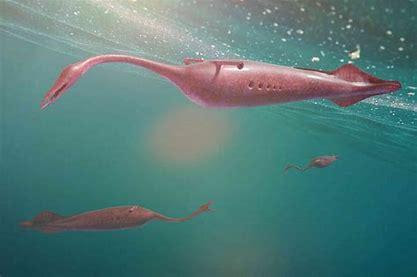
I was reading an article in live science about a very strange prehistoric creature called a Tully Monster. Dating from 300 million years ago, It was a rather grim deep-sea creature that seems to resemble a squid with ‘eyes on stalks and a strange claw-like appendage coming out of its face’.
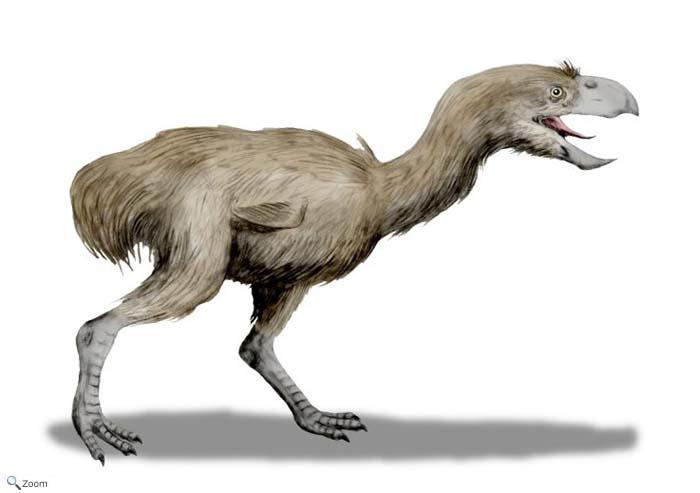
My favorite ancient creatures are Terror Birds, giant carnivorous apex predators. Nature has always found a way to create the most fascinating and strangest of prehistoric creatures and I’m delighted they no longer exist today!
The term prehistoric is said to mean ‘very old or out of date’ (Oxford Language). It doesn’t just refer to an age before we started making written records. It can refer to systems or even people.
In her article ‘Is your boss a Genersaurus?’ for Cosmopolitan, Corrine Mills looks at gender speak. Deborah Cameron in her book ‘The Myth of Mars and Venus’ analyses generalisations made regarding men and women. But the fact that we are still having to introduce and discuss gender, such as with the gender pay gap report, shows that we have not managed perfect equality yet. Perhaps we are now at least advancing in the right direction, but how do we tell how far we have actually come?
Culture changes, outlooks change, and voices start to be heard as sensibilities change. Maybe 15 years ago anyone with tattoos was considered by many mainstream societies as a bit rough and possibly even threatening. Now the majority appear to see tattoos for what they are, art forms and expression for those who have them. Suits are no longer the norm in the workplace (bye bye my coordinated tie, pocket hanky and socks), and even clothing is moving towards a genderless stance. As a long-time champion of diversity in the workplace I embrace all these changes but I do see some managers and systems (fortunately none I work with) that struggle with coming to terms with change.
Are they trapped in a prehistoric view, unwilling to face the changes or are they unable to, maybe from fear of change or plain old stubbornness? They certainly aren’t new in their fossilised views. Just as they may baulk at a perceived ‘male’ wearing a blouse or simply some make-up, their predecessors were equally appalled by women wearing trousers which didn’t really become mainstream until the 1950s with the advent of Capri trousers.
These prehistoric advocates of the past are being called out more and more in recent times. We only have to look at the Me Too campaign founded in 2006 by Tamara Burke or the awful admissions from the CBI that they allowed ‘a very small minority of staff with regressive and, in some cases, abhorrent attitudes towards their female colleagues to feel more assured in their behaviour, and more confident of not being detected.’
These dinosaurs of attitudes must eventually fade into extinction just like the Tully Monster but we should not forget them. We seem so keen to brush over the past and erase it, from deep-rooted painful sculptures and art related to the abhorrence of slavery to the editing of Carry On films to make them ‘suitable’ for modern audiences, should we be so quick to erase the past or should we use it to show how far we have come.
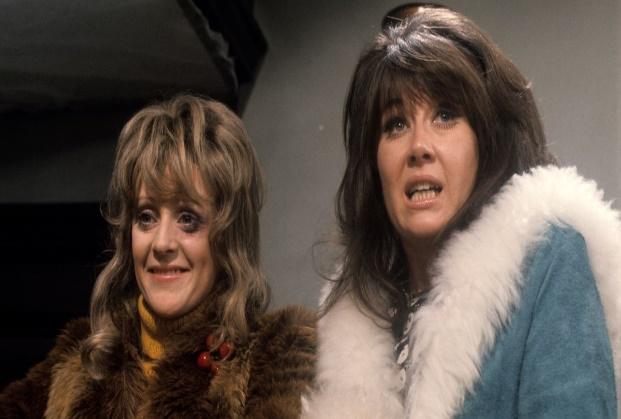
If I watch an old episode of The Liver Birds from the 1970’s mostly I find it very funny. The jokes made about a junior manager who pinches womens’ bottoms aren’t funny but can be used to demonstrate that we have made progress. We aren’t there yet, but they are our fossil finds. I don’t want to meet a live Terror Bird but its prehistoric fossil is a memory. We don’t need to erase it from history but nor do we want to go back to a time when it was a reality.
Culture moves forward, but we can’t know how far without digging into the past.



 Mannix HR